Commercial · Clermont, FL
Industrial epoxy flooring in a manufacturing plant has to handle forklifts, chemical drips, washdowns, and daily abrasion without shutting down production. Elite Epoxy Clermont has served Clermont since 2018, installing and repairing heavy-duty epoxy, urethane cement, and polyaspartic systems built for real plant traffic.
Every long-lasting plant floor starts with the slab. We evaluate moisture vapor emissions (MVER) and relative humidity, then address cracks, spalls, and joint edges with epoxy mortar and polyurea joint filler. Surface prep is done by diamond grinding or shot blasting to reach the right Concrete Surface Profile (CSP 2-4 for most epoxy, higher when specified), followed by HEPA dust control and solvent-free epoxy primer. When needed, we install a moisture-mitigating epoxy vapor barrier before building thickness with a 100 percent solids epoxy basecoat, slurry, or troweled epoxy mortar for high-impact zones.
Central Florida humidity, open bay doors, and frequent washdowns can challenge coating adhesion and cure windows, so we select systems and schedules that match plant conditions. For wet processing, thermal shock, and hot water wash, urethane cement is often the better finish because it tolerates heat and moisture. For fast return to service, a polyaspartic or urethane topcoat can provide quicker cure and improved chemical and abrasion resistance. We tailor the surface for safety and cleanup, including broadcast quartz or aluminum oxide for slip resistance, integral cove base at walls and equipment pads, and clear topcoats that resist tire plasticizer and staining.
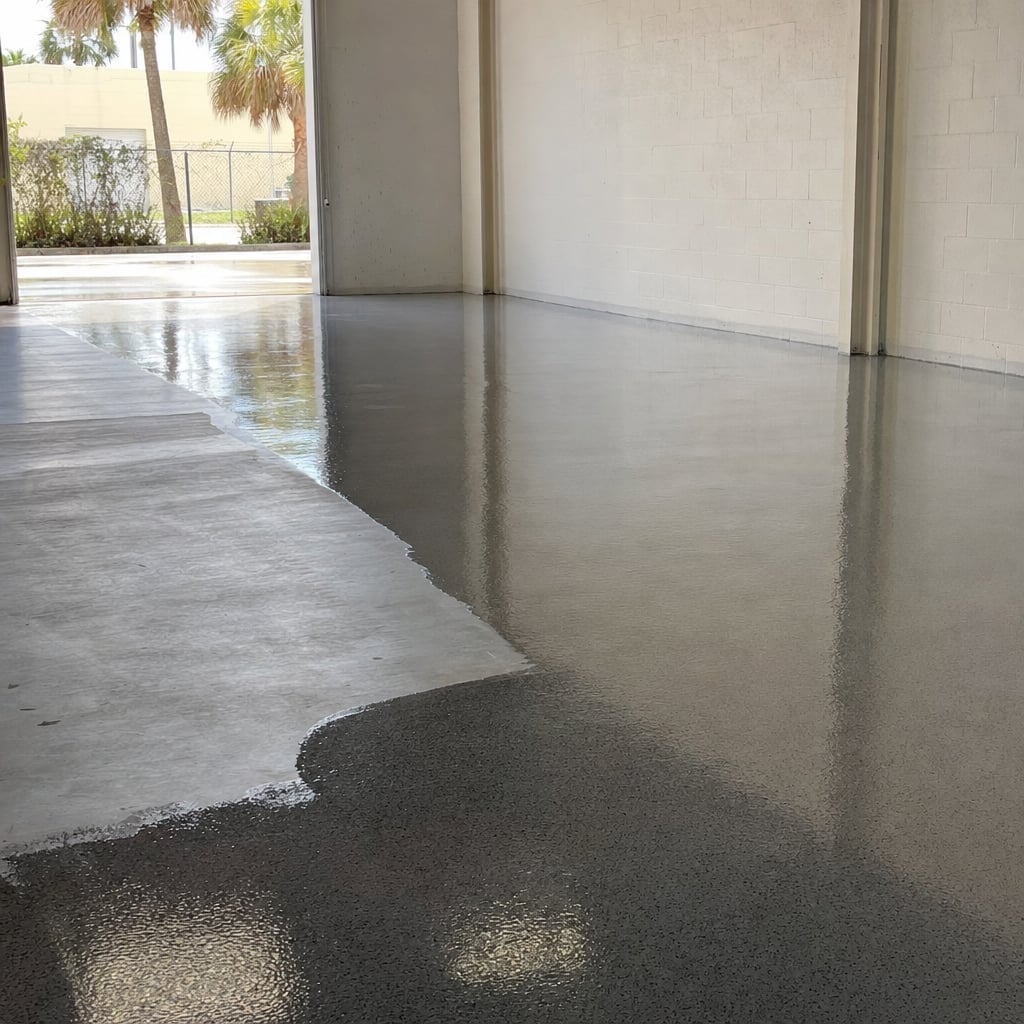
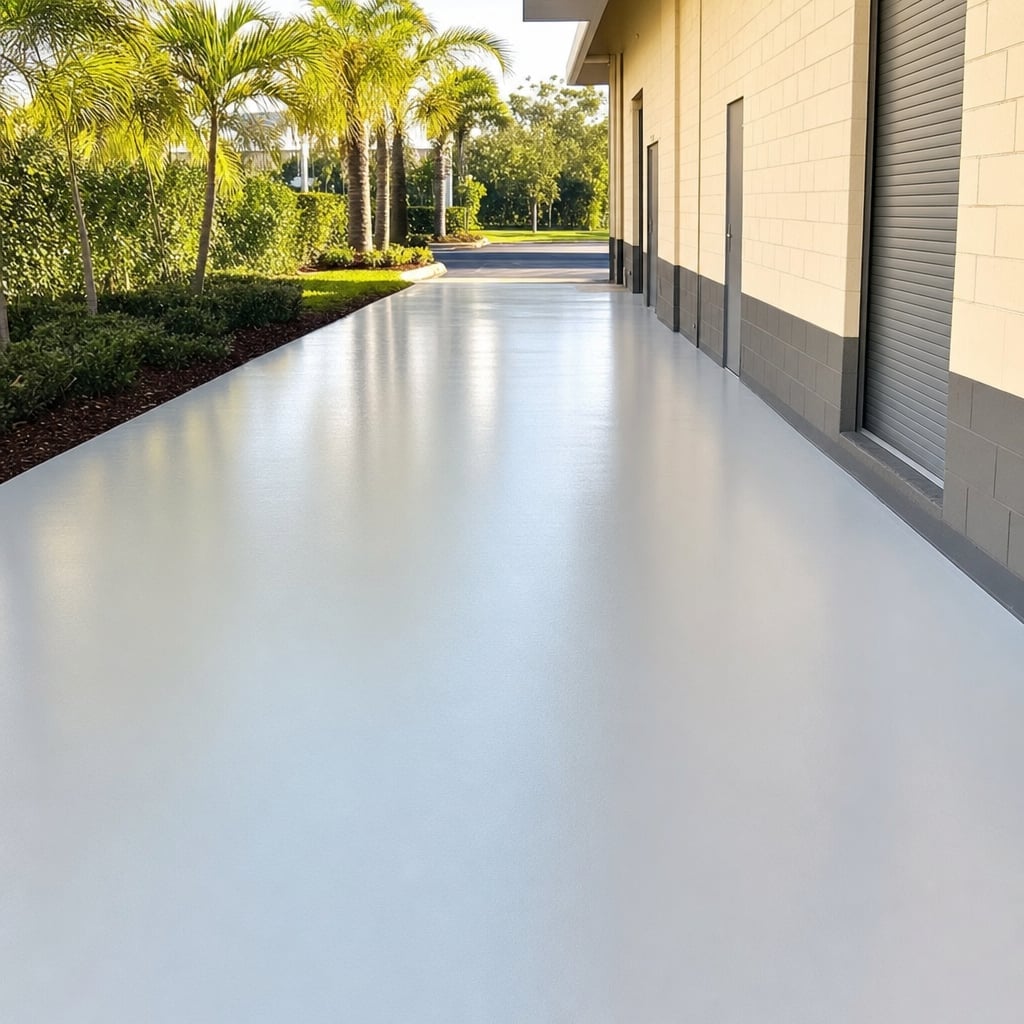
Clermont manufacturing and warehouse customers choose us because we work like a contractor that understands uptime. Our crews plan around shifts, isolate work areas, and stage materials so each coat goes down within recoat windows for a strong mechanical and chemical bond. You get straight answers on what can be patched versus what needs resurfacing, with options like partial repairs, full resurfacing, or high-build overlays. We document prep methods, coating thickness targets, and cure times, and we stay consistent on details that matter in plants, like joint transitions, drain edges, and forklift turning lanes.
Before we start, we walk the floor with you to map traffic, chemical exposure, and shutdown constraints, then provide a written scope and schedule. During install we keep the site clean, control dust, and verify profile and adhesion steps, then mark re-open zones clearly for your team. At completion we perform a final walkthrough, confirm texture and sheen, and give you care and cleaning guidance (approved degreasers, scrubber pads, and recoat intervals). You receive a durable, maintainable industrial epoxy flooring system designed for your process, plus clear expectations for downtime and long-term repairs.
It depends on the system and conditions. Many polyaspartic topcoats allow faster return to service than epoxy-only systems, but we will give you a written schedule for foot traffic and vehicle traffic based on cure time.
Hot-tire pickup is usually caused by poor prep, low-grade products, or coatings not designed for garages. We prioritize diamond grinding, proper primers, and durable topcoats to reduce that risk.
Yes. We route or open cracks as needed, fill with polyurea or epoxy repair materials, and patch spalls and pitting with epoxy mortar so the finished floor looks uniform and performs better.
High-gloss floors can be slick with water. We can add aluminum oxide or polymer grit to the topcoat, or use flake texture, to increase slip resistance while keeping the floor easy to clean.
Yes. We provide a free written estimate that lists the recommended system, surface prep approach, finish options, and project schedule.
Manufacturing floors fail for predictable reasons: weak surface prep, moisture coming through the slab, and coatings that do not match the abuse from forklifts, pallets, chemicals, and washdown cycles. Elite Epoxy Clermont installs and repairs industrial epoxy flooring systems for plants, warehouses, and production areas, using the right prep, primers, and topcoats so the floor performs under daily operations.
Our industrial epoxy flooring process starts with the concrete. We identify contamination from oils, curing compounds, or previous coatings, then remove it mechanically rather than relying on acid etching. Cracks, spalls, and failed joints are repaired with industrial-grade epoxy patching compounds and polyurea joint filler so wheels do not keep breaking the edges. After prep, we install a primer chosen for the slab condition, including moisture-mitigating epoxies when moisture vapor is a risk, then build the system to the traffic level with high-build epoxy, epoxy slurry, or troweled mortar in high-impact areas.
Finish selection depends on your operation. Epoxy delivers dense, chemical-resistant surfaces for general manufacturing, while urethane cement is often the right call for wet production, aggressive cleaners, and temperature swings. Where downtime is tight, polyaspartic or urethane topcoats can shorten cure time while improving abrasion resistance and stain protection. We also add safety and sanitation features like cove base, radius transitions, and traction media tuned to your slip-resistance needs without making the floor hard to clean.
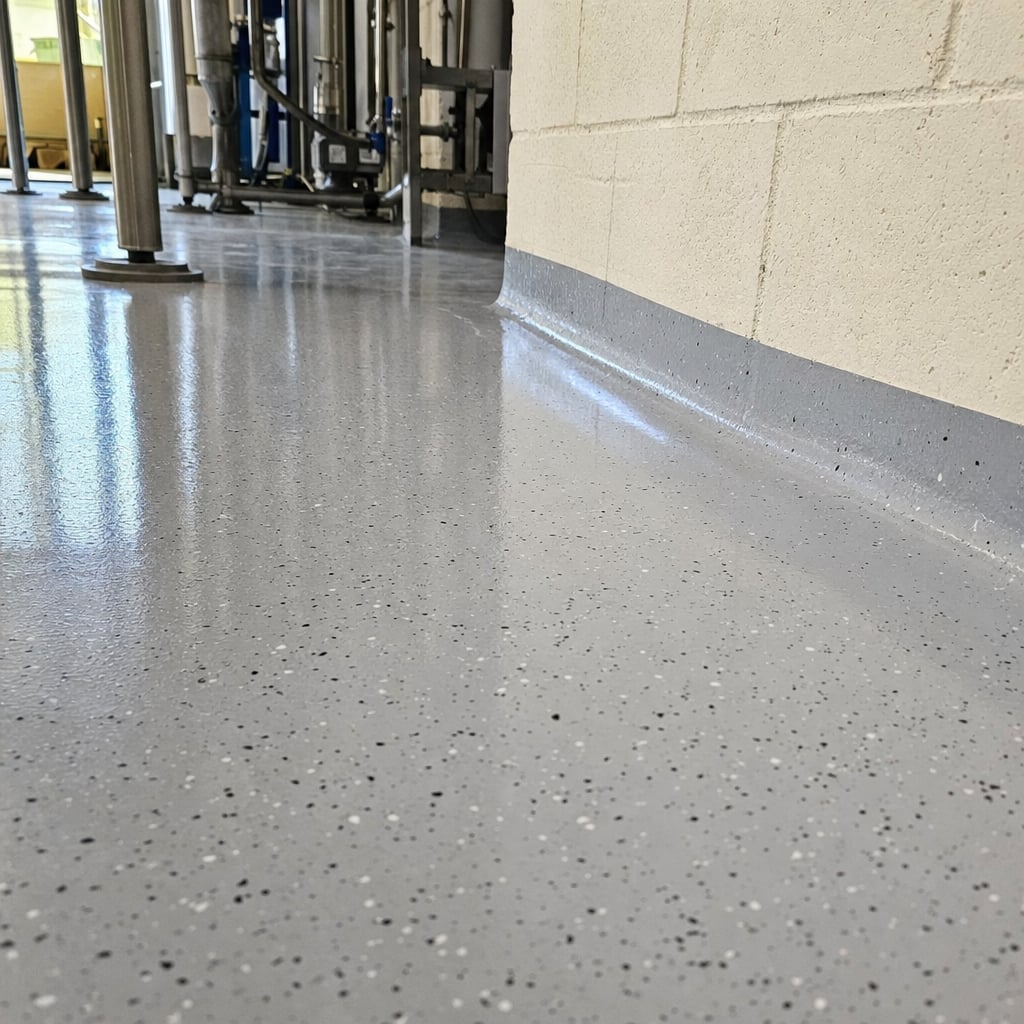
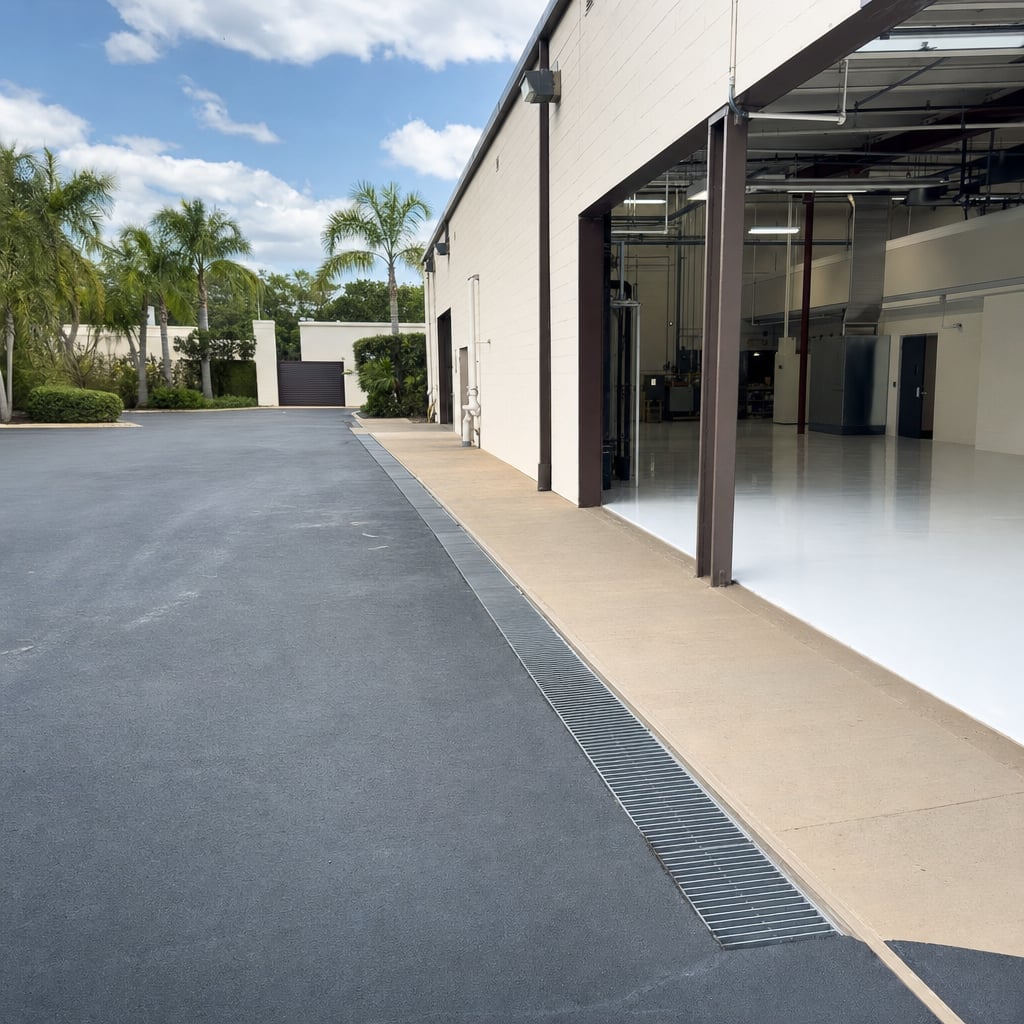
If your plant has peeling areas, hot-tire pickup, gouges, or joint failure, we can scope targeted repairs or a full resurfacing plan that fits your schedule. You will get a clear written estimate, a sequenced plan for isolating work zones, and practical maintenance guidance so the floor stays serviceable between recoats.
Call now or send a request and we will reach out within one business day to schedule your free, no-obligation estimate in Clermont. We assess the project, review the details, and give you a written quote before any work starts, so you know exactly what to expect.
Prefer to write? Contact us or head back to the home page.